
Every wheelchair user and caregiver has their own unique priorities when choosing an accessible vehicle, as daily routines and mobility needs vary greatly.
Side-entry wheelchair vans and rear-entry conversions offer different benefits depending on whether the user plans to be a driver or a passenger. It’s a big purchase, so it is important to consider all the options and features before making a final decision.
What Is a Side-Entry Wheelchair Van Conversion?
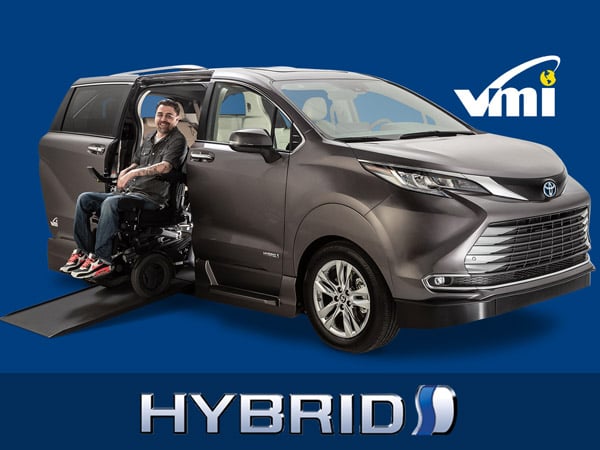
A side-entry wheelchair van is a vehicle modified to allow wheelchair access through a ramp or lift positioned on the side of the van. The ramp or lift is typically deployed either from a sliding side door or an automatic mechanism. This provides for curbside entry. General structural modifications include lowering the floor and adjusting the seating layout. This type of entry best serves those seeking independent access or those who plan to drive themselves. Over 65% of personal wheelchair accessible van conversions in 2024 had side-entry configurations [5].
Pros of Side-Entry Wheelchair Vans
Side-entry wheelchair vans are often favored for their curbside accessibility, aligning well with ADA-compliant public infrastructure such as sidewalks and ramps. Key benefits include:
- Flexible seating, allows the wheelchair user to drive or ride up front
- Enhanced independence and better driver visibility
- Ideal for urban or commercial areas with curb access
Cons of Side-Entry Wheelchair Vans
While side-entry vans offer flexibility and independence, they also come with a few trade-offs that may affect everyday use. Consider these drawbacks:
- Higher cost due to complex structural modifications
- Requires wider parking spaces for ramp deployment
- Reduced interior width and potential clearance issues in low garages
What Is a Rear-Entry Wheelchair Van Conversion?
A rear-entry wheelchair van allows access through the back of the vehicle via a rear ramp or lift. This type of conversion typically involves modifying the floor and tailgate area but leaves the side doors and much of the interior configuration the same. Rear-entry often suits users who plan to be a passenger, not a driver. Rear-entry vans are often chosen for private use, especially in residential areas where curb access is not a concern.
Pros of Rear-Entry Wheelchair Vans
Rear-entry vans tend to be more affordable due to simpler conversion requirements. They can park in standard spaces since they do not require side clearance for ramp deployment. They often retain more interior space for additional passengers, making them ideal for families or community transport settings.
Overall, rear-entry wheelchair vans offer several practical benefits:
- Lower cost because of simpler conversion
- Fits in standard parking spaces (no side clearance needed)
- Preserves middle and front seating for families or group transport
- Easy to park in residential driveways or garages
Cons of Rear-Entry Wheelchair Vans
While rear-entry vans are cost-effective and convenient for families, they also come with some limitations that can impact everyday usability. Potential drawbacks include:
- No curbside access, making city parking more difficult
- Not suitable for users who plan to drive independently
- Rear loading can be inconvenient in tight or high-traffic spaces
7 Key Considerations Before Buying
1. Vehicle Models That Support Wheelchair Ramp Conversions
Side-entry wheelchair accessible van conversions are widely available and supported by most popular minivan and full-size van models while rear-entry conversions are more selective and limited in scope.
Rear-entry ramps are typically found in certain minivans, such as the Dodge Grand Caravan, Chrysler Pacifica, Toyota Sienna, and Honda Odyssey, because of their rear-floor design and structural adaptability.
Full-size vans and SUVs are rarely suitable for rear-entry conversions because of height and clearance limitations. If you are considering a rear-entry configuration, you need to confirm model compatibility early in the decision process.
2. Seating Configurations and Flexibility
Side-entry and rear-entry wheelchair accessible vans differ in their interior layouts. For side-entry vans, you can remove or reposition the front seats allowing the wheelchair user to drive or ride up front. Rear-entry vans preserve the middle and front seating rows, which may be more suitable for group travel but limits the wheelchair user to the back of the van. For the wheelchair user, seating options can affect comfort, visibility, and interaction with other passengers.
3. Parking Considerations for Wheelchair Vans
Side-entry vans need lateral space for ramp deployment, making them best suited for wide spaces like van-accessible ADA spots. Rear-entry vans do not need side clearance, which allows them to fit in standard parking spots, but they do require rear access. You need to consider the typical parking environments you use – whether public lots, residential garages, or parallel street parking – when choosing between models.
4. Cost Comparison of Side-Entry vs. Rear-Entry Conversions
There is a cost difference between the two accessible van conversion types. Side-entry conversions tend to be more expensive because they require more extensive modifications. Rear-entry vans are often a more budget-friendly option because the conversion process is less involved. You also want to keep in mind costs such as insurance premiums, resale value, and ongoing maintenance expenses.
Think through short-term affordability against long-term utility and independence. Industry data indicates that conversion costs range from $10,000 to $35,000 and more, in addition to the base vehicle cost [11]. For example, the BraunAbility Chrysler Pacifica wheelchair van starts at approximately $64,081 MSRP, while the Toyota Sienna Hybrid conversion begins at $85,995 MSRP [7].
5. Impact of Accessible Van Conversions on Vehicle Structure
Both types of conversions change the vehicle’s structure. For side-entry vans, the lowered floor, modified suspension, and reinforced chassis areas can affect the vehicle’s center of gravity and handling. For rear-entry vans, structural changes are mostly limited to the rear section, preserving more of the van’s original design and potentially offering better long-term durability. Each type may impact warranty coverage, fuel efficiency, and vehicle lifespan.
6. Choosing the Right Accessible Vehicle for Driving or Riding Needs
Each conversion type supports both independent drivers and passengers with mobility needs. Side-entry vans are usually better suited for those who wish to drive themselves, thanks to options for front-seat access and hand-control adaptations. Rear-entry vans, by contrast, are typically designed for individuals who will be riding as passengers with assistance. Your choice should align with your lifestyle, such as daily commuting, leisure travel, or medical appointments.
7. Best Wheelchair Van Types for Different User Needs
Side-entry vans are ideal for users who value independence, frequently drive themselves, and live in areas with accessible curb infrastructure. Rear-entry vans are recommended for families, caregivers, or transport services where cost and space are priorities, and driving by the wheelchair user is not required.
Questions to Ask Yourself Before Buying
Take a moment and ask yourself specific questions before deciding. Ask: Will the wheelchair user be driving or always a passenger? Is curbside access necessary in your daily routine? What types of parking spaces are most common in your environment? Is budget the primary deciding factor, or is long-term convenience more important? These answers will help guide you toward a personalized, well-reasoned choice.
Need expert advice to help with your final decision? Speak to a certified mobility consultant at one of The Mobility Resource’s in-network dealers! We partner with over 100 dealers nationwide to make it easier for you to find a solution close to home. Click the button below to find your nearest mobility dealer.
Find Your Perfect Wheelchair Van

Find your perfect Wheelchair Van
Select from thousands of wheelchair vans for sale from hundreds of nationwide dealers
The Mobility Resource has one of the largest selections of Dodge, Toyota, Chrysler, Honda, Ford, Chevrolet wheelchair vans













Tweet
Share https://www.themobilityresource.com/blog/post/side-entry-vs-rear-entry-handicap-vans/